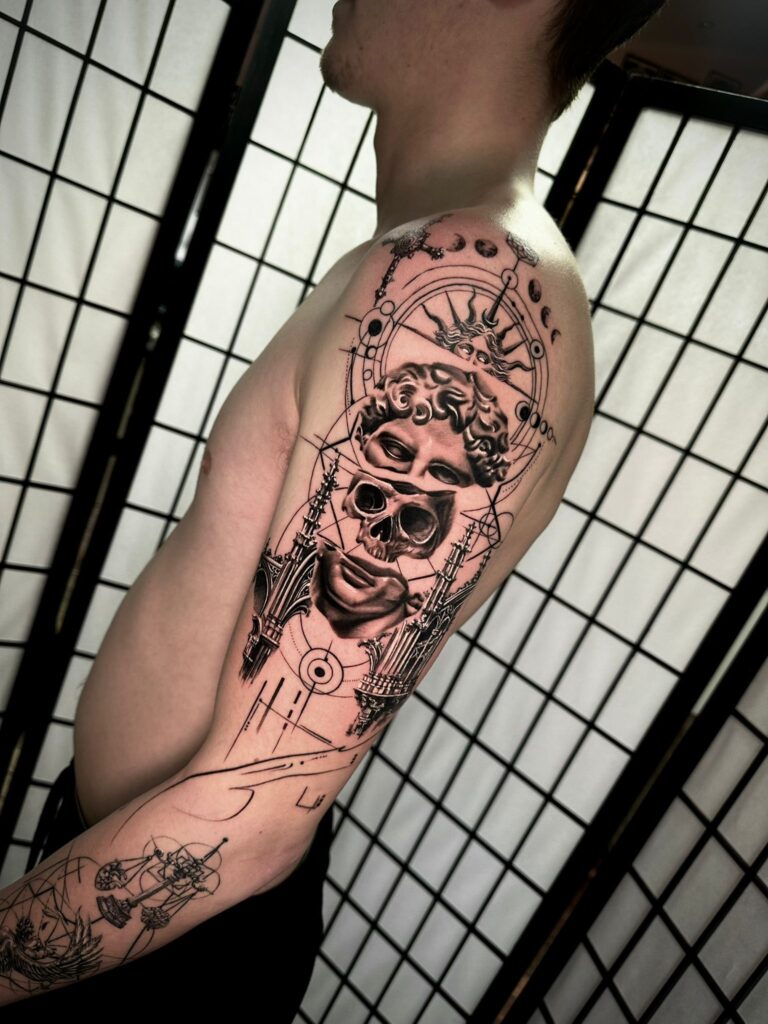
In this day and age, the idea of things being masculine or feminine have gradually weaned out. Traditionally, tattoos were seen as a very masculine thing that only sailors, criminals and macho adjacent individuals would get. These days, everyone from your boss to your nan has one! This surge in popularity of tattooing has resulted in a very quick evolution in style, methods and tattooers therefore the culture has changed drastically with it too!
In western culture, tattoos have generally been seen as a masculine practice. A show of strength and toughness. Sailors had their symbology with each tattoo serving a purpose, marking a milestone or used to establish their experiences. With a history of being a man’s game in mind, what about the rest of the world?
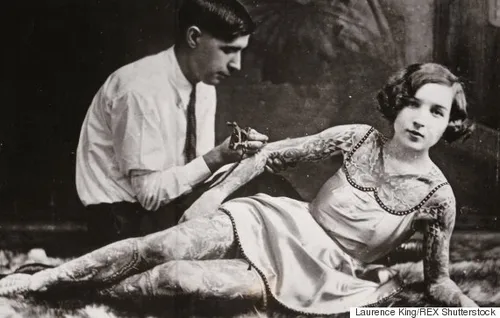
Japan has a deep history with tattooing with a lot of trials and tribulations. Before the dragon sleeves and warrior back pieces, there were the Ainu folk. The Ainu are a group of indigenous people from Northern Japan/ South-East Russia. Girls as young as 5 years old would get specific facial markings tattooed that would get added to until they reach marital age.
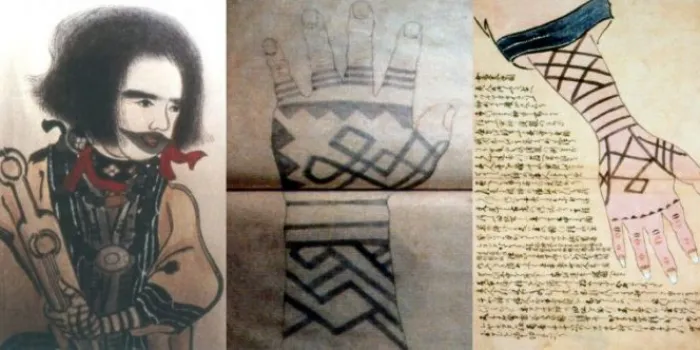
Fast forward to modern-day Japan, the traditional Japanese tattoos you know and love are quite unisex the themes being more personal, religious or symbolic rather than a coming of age ritual. Although some motifs such as the peony can have more of a masculine undertone (click here to lean more)
In the small beginnings of fine line tattoos, the style lean more feminine with the main demographic being young girls wanting tattoos but in a subtle way. The explosion in popularity with fine line tattoos expanded the style and introduced ‘fine line realism’ (examples below) which blends the thin delicate lines of fine line with small realism motifs used to tell a story, this style has been quite popular with men.